Super value yakinuku. For 2 of us the wagyu beef and loads of other meats was 12900yen The marbling on wagyu and kalbi were superb and melted in mouth. Super worth it
Overview
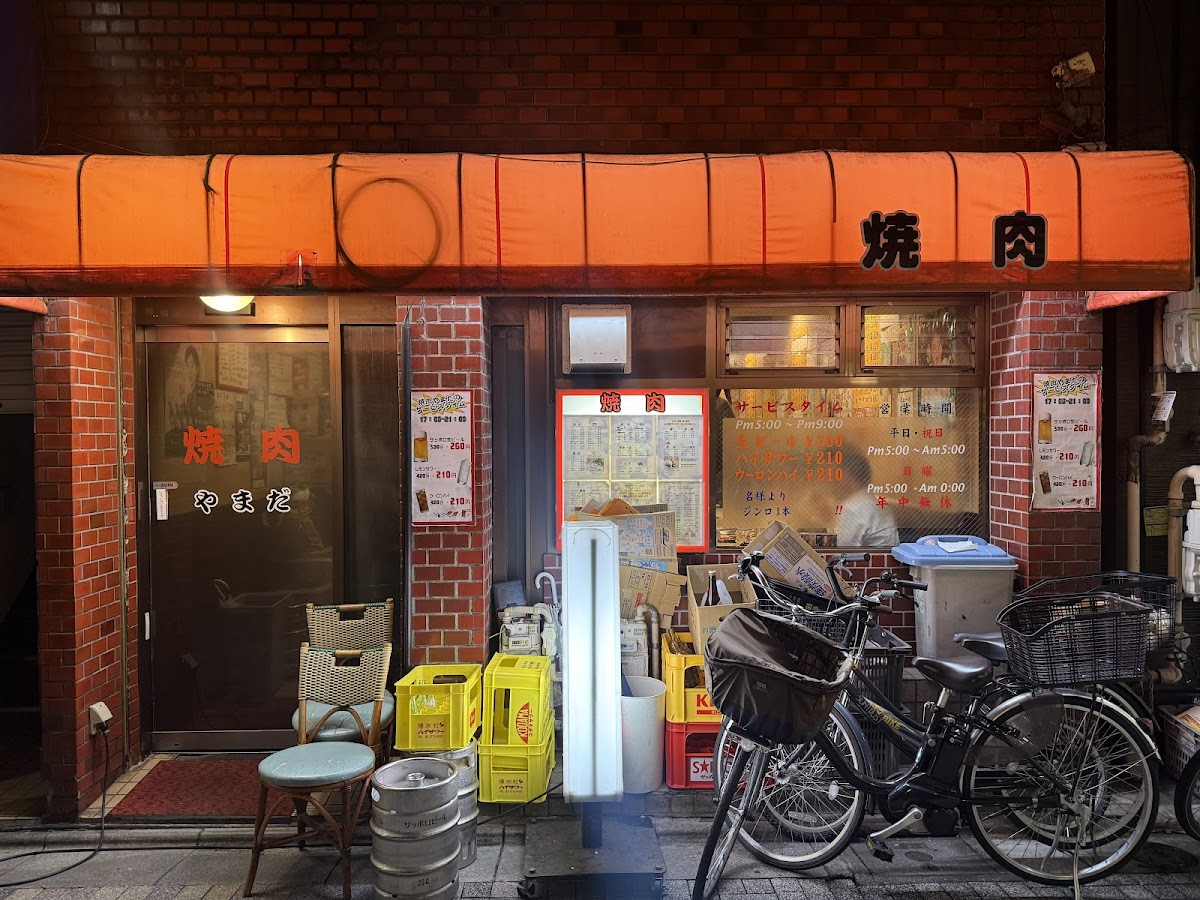
Tucked into the lively streets of Ueno, just a short walk from Ameyoko Market, Yakiniku Yamada at 2 Chome-2-8 Ueno, Taito City, Tokyo 110-0005, Japan, is one of those places you almost miss if you’re not paying attention. I found it on a chilly evening after wandering through Ueno Park, craving something warm and smoky. The scent of charcoal-grilled beef drifting onto the sidewalk made the decision easy.
The first thing that struck me was how local the atmosphere felt. No flashy neon, no over-the-top décor-just compact wooden tables, built-in grills, and the comforting hum of conversation. In Tokyo, where dining space is precious, efficient layout matters. Here, every table is equipped with a smokeless roaster, a common feature in quality yakiniku restaurants, designed to minimize smoke while preserving the flavor of charcoal grilling. According to the Japan Food Service Association, yakiniku remains one of the most popular dining styles in urban areas, especially among small groups and after-work crowds. After spending time here, I can see why.
The menu is focused but thoughtful. You’ll find classic cuts like karubi (short ribs), rosu (loin), and thick-sliced gyutan (beef tongue). I ordered the assorted platter to get a broader sense of their meat quality. The marbling on the wagyu was impressive-fine, even streaks of fat that melt quickly over heat. When grilling yakiniku, timing is everything. The staff gave simple but clear guidance: sear each side briefly, don’t overcook, and let the meat rest for a few seconds before dipping it into tare sauce. That quick, high-heat method locks in juices and enhances umami, which is one of the five basic tastes identified by Japanese scientist Kikunae Ikeda in the early 20th century.
One bite of the short rib and it was obvious they prioritize sourcing. Japan’s wagyu grading system, overseen by the Japan Meat Grading Association, evaluates beef based on marbling, color, firmness, and fat quality. While the restaurant doesn’t publicly display specific grades, the tenderness and flavor strongly suggest high-quality domestic beef. The meat practically dissolved after a few chews, leaving a rich, buttery finish balanced by the slightly sweet soy-based dipping sauce.
Beyond beef, there are side dishes that round out the experience. The kimchi had just the right level of fermentation-bright, tangy, and crisp. The bibimbap arrived in a hot stone bowl, creating that satisfying crackle of toasted rice at the bottom. If you’re dining with friends, sharing a mix of grilled meats, vegetables, and rice bowls makes the meal feel interactive and relaxed. That’s part of the charm of yakiniku: you control the cooking process, adjusting doneness to your preference.
Reviews from both locals and international visitors consistently highlight the friendly service. I noticed the staff paying close attention to grill temperatures and replacing the mesh when it became too charred, a small but important detail. In many casual barbecue spots, that step is overlooked, which can affect flavor. Here, it shows care and professionalism.
Location-wise, being in Ueno gives it an edge. After visiting Ueno Zoo or the Tokyo National Museum, it’s a convenient dinner stop. Compared to high-end yakiniku restaurants in Ginza, prices here feel reasonable for the quality offered. Expect mid-range pricing, especially if you opt for premium cuts, but nothing excessive for central Tokyo.
One limitation is space. Like many restaurants in Taito City, seating is limited, and peak hours can mean a short wait. Reservations are a smart move if you’re planning a weekend visit. Also, English menus may be limited, though the staff is generally helpful in guiding first-timers through the options.
From personal experience, what makes this place memorable isn’t just the beef-it’s the rhythm of the meal. The steady sizzle of meat on the grill, the quick flip with metal tongs, the shared plates passing across the table. It feels communal and grounded, a reminder that good food doesn’t need theatrics. In a neighborhood packed with dining options, this yakiniku spot stands out for doing the basics exceptionally well: quality ingredients, attentive service, and a menu that respects tradition while staying accessible.
Good to know
Service options
✓ Dine-in ✓ DeliveryPopular for
✓ Lunch ✓ DinnerAccessibility
✓ Wheelchair-accessible car park ✓ Wheelchair-accessible entrance ✓ Wheelchair-accessible seatingOfferings
✓ Alcohol ✓ Beer ✓ Happy-hour drinks ✓ Late-night foodDining options
✓ Lunch ✓ Dinner ✓ Dessert ✓ Table serviceAmenities
✓ ToiletAtmosphere
✓ CasualCrowd
✓ GroupsPlanning
✓ Reservations required ✓ Dinner reservations recommended ✓ Accepts reservationsPayments
✓ Credit cards ✓ Debit cardsPhotos
1 / 4
Location
Reviews
- No ratings yet 444 reviews
Amazing Yakiniku experience at Ueno area. The beef is melt in your mouth, the other side dishes are also great. They have both English and Japanese menu. Their staffs are all polite and attentive which we appreciate a lot. Prices of their beef per plate is really reasonable. Compared to other restaurants in the area they're the few ones that closes late. We went around 9pm and they still accommodate us, the ambiance inside is also chill, there are few groups drinking and enjoying the end of the day. Will definitely come back to this place and recommend it to anyone who are staying near the area.
Good yakiniku but not very tourist friendly. No English menu. But super accommodating staff they are trying to help with ordering. Pricey but the quality is acceptable. We think it is a tad bit too expensive. Place is small, might be difficult to get table if no reservation. Happy hour (1700-2100) is good value for beer, highball, etc. all in all, fairly happy with the experience.
Very local delicious yakiniku shop. It's gonna be tricky if you can't read Japanese at all as they have no foreign languages menus. But that's how it remains locals and reasonable priced. I was lucky that one of the staff spoke Chinese so he helped me with a bit of menu translation. I ended up ordering the lowest grade of meat but it was still very good quality.
They serve really great quality meat! Notice, please booking in advance. 10/10 Love. from Thailand :)
I recommend gyu tan or cows tongue Assorted kimchi or kimchi moriawase Soup